
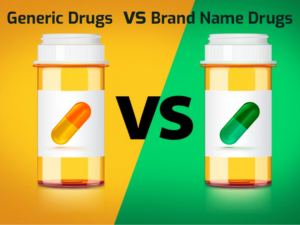
When you visit an online pharmacy, you often see two versions of the same medication: a high-priced brand name and a much cheaper generic. This price gap leads many to wonder: “Are generic drugs less effective?” The short answer is no. In this guide, we reveal the truth about generics and how they can save you up to 80% on your healthcare costs.
1. What Exactly Are Generic Drugs?
A generic drug is a medication created to be the same as an already marketed brand-name drug in dosage form, safety, strength, route of administration, and quality.
- The Secret: When a pharmaceutical company develops a new drug, they get a patent. Once that patent expires, other manufacturers can produce the same drug.
- The Result: Since these new manufacturers didn’t have to pay for the initial research and clinical trials, they can sell the medicine at a fraction of the cost.
2. Myths vs. Reality
- Myth: Generics take longer to work.
- Reality: They must demonstrate “bioequivalence,” meaning they deliver the same amount of active ingredients into the bloodstream in the same amount of time as the brand-name version.
- Myth: They are made in low-quality factories.
- Reality: Reputable generics are produced in facilities that follow strict GMP (Good Manufacturing Practice) standards, often in the same plants as brand-name drugs.
3. Why Is the Price So Low?
It’s not about quality; it’s about competition. When multiple companies start making the same generic, they compete on price. This is great news for your wallet. You are paying for the medicine, not the marketing budget of a big pharma brand.
4. How to Safely Switch to Generics
- Check the Active Ingredient: Ensure it matches your prescription.
- Look for GMP Certification: Trusted sources only work with certified manufacturers.
- Consult Your Doctor: While the active ingredient is the same, “inactive” ingredients (like fillers or dyes) might differ, which is only important if you have specific allergies.
Frequently Asked Questions (FAQ)
Q: Do generic pills look different?
A: Yes. Trademark laws prevent generics from looking exactly like the original. They may have a different shape, color, or packaging, but the medical effect remains identical.
Q: Are generics FDA-approved?
A: Yes. To be sold legally, generics must meet rigorous standards set by health authorities like the FDA or EMA.
